Elderly Home Care vs Assisted Living: Emotional and Psychological Wellbeing
Business Name: FootPrints Home Care
Address: 4811 Hardware Dr NE d1, Albuquerque, NM 87109
Phone: (505) 828-3918
FootPrints Home Care
FootPrints Home Care offers in-home senior care including assistance with activities of daily living, meal preparation and light housekeeping, companion care and more. We offer a no-charge in-home assessment to design care for the client to age in place. FootPrints offers senior home care in the greater Albuquerque region as well as the Santa Fe/Los Alamos area.
4811 Hardware Dr NE d1, Albuquerque, NM 87109
Business Hours
Choosing between elderly home care and assisted living is rarely practically logistics. It is about identity, dignity, and the emotional landscape of growing older. Families want safety and stability, and older adults want control over their lives. Both settings can support those objectives, but they form day-to-day experience in various ways. For many years, I have actually seen choices prosper or stop working not due to the fact that of medical intricacy, however since of how the environment matched an individual's personality, habits, and social requirements. The right option safeguards mental health as much as physical health.
This guide looks past the sales brochure language to the lived truth of both paths. I concentrate on how in-home care and assisted living impact mood, autonomy, social connection, cognition, and family dynamics. You will not find one-size-fits-all verdicts here. You will discover compromises, telltale indication, and useful details that rarely surface area during a tour.
The psychological stakes of place
Older grownups frequently tie their sense of self to place. The cooking area drawer that always sticks, a favorite chair by the window, the neighbor who waves at 4 p.m., even the way your home smells after rain, these are anchors. Leaving them can activate grief, even if the move brings helpful services. Staying, however, can set off stress and anxiety if the home no longer fits the body or brain.
Assisted living assures built-in neighborhood and aid as needed. That can ease seclusion and reduce worry, especially after a fall or a prolonged healthcare facility stay. However the trade is predictability and regular shaped by an institution, not a personal history. Home care secures routine and individuality while bringing support into familiar walls. The risk is solitude if social connections diminish and care becomes task-focused rather than life-focused.

Some people flower with structure and social programs, others recoil at shared dining and scheduled activities. The core psychological question to ask is simple: In which setting will this individual feel more like themselves most days of the week?
Autonomy, control, and the everyday rhythm
Control over small choices has an outsized impact on mental wellbeing. What time to awaken. How to make coffee. Which sweater to use. Autonomy is not simply a worth, it is a daily therapy session disguised as common life.
In-home senior care generally provides the most control. A senior caregiver can prepare meals the method a client likes them, arrange the day around individual rhythms, and support the micro-rituals that define comfort, whether that is a slow morning or late-night television. In practice, this indicates less small psychological abrasions. I have seen agitation melt when a caretaker learned to serve oatmeal in the very same bowl a client used for thirty years.
Assisted living uses autonomy within a structure. Locals can individualize houses, however meal times, medication rounds, and housekeeping follow a schedule. For many, the predictability is calming. For others, it ends up being a day-to-day source of friction. The question is not whether autonomy exists, but whether the resident's preferred rhythms are supported or silently eroded.
Candidly, both settings can drift toward task-centered care if personnel are hurried. The antidote is deliberate preparation. In the house, that suggests clear regimens and a caretaker who sees the person beyond the list. In assisted living, it indicates staff who understand resident preferences and a family who advocates early, not just when there is a problem.
Social connection and the genuine texture of community
Loneliness is not simply being alone. It is feeling unseen. That is why social design matters so much.
Assisted living markets community, and lots of citizens do thrive with easy access to neighbors, activities, and group meals. The very best neighborhoods style little spaces for natural interaction, not simply huge rooms with bingo. A resident who enjoys moderate sound and spontaneous conversations frequently warms to this environment. With time, I have discovered that beginners who join 3 or more activities weekly tend to report much better state of mind within the first two months.

Yet neighborhood can feel performative if activities do not match interests or character. Introverts in some cases feel pressure to get involved, then pull away entirely. Hearing loss complicates group settings too. If a resident can not follow discussion at a loud table, mealtimes can become difficult, not social.
Elderly home care can look quiet from the outdoors, but it can be deeply social if planned well. In-home care works best when the caretaker functions consist of companionship, engagement, and escorted trips, not just cooking and bathing. I have actually seen individuals radiance after a weekly trip to the library or the garden center. A walk around the block with a familiar senior caretaker can be much more meaningful than a large-group craft session that feels juvenile.
Transportation is the lever. If home care consists of reputable trips to faith services, clubs, volunteer work, or coffee with a friend, home-based life can retain richness. Without that, a house can become an island.
Cognitive wellness: regular, stimulation, and safety
Cognition alters the formula. With mild cognitive problems or early dementia, familiar environments support memory and decrease confusion. The brain utilizes cues embedded in the environment, from the design of the restroom to the place of the tea kettle. In-home care can strengthen these hints and develop visual supports that do not feel institutional: clear labels on drawers, a white boards schedule near the breakfast table, a tablet organizer that sits where the morning paper lands.
As dementia advances, safety and guidance needs grow. Wandering risk, nighttime wakefulness, and medication complexity can push households toward assisted living or memory care. A memory care unit supplies controlled exits, 24-hour staff, and environments developed for calming orientation. The potential downside is sensory overload, specifically throughout shift modifications or group activities that run too long. A great memory care program staggers stimuli and respects personal pacing.
A neglected advantage of consistent home caregivers is continuity of relationship. Acknowledgment of a familiar face can soften behavioral signs. I remember a client who became combative with new staff however remained calm with his regular caretaker who knew his history as a carpenter and kept his hands busy with simple wood-sanding projects. That type of customized engagement is possible in assisted living too, but it depends upon staffing ratios and training.
Mood, identity, and the psychology of help
Accepting aid is simpler when it supports identity. Previous instructors typically respond to structured days with small tasks and check-ins. Lifelong hosts may illuminate when a caregiver assists set the table and invites a next-door neighbor for tea. Former athletes tend to react to goal-oriented workout better than generic "activity."
At home, it is straightforward to align care with identity since the props are already there, from cookbooks to golf balls. In assisted living, alignment takes objective. Families can supply individual items and stories, and staff can weave them into care. A blanket knit by a spouse is not simply a memento, it is a comfort intervention on a bad afternoon.
Depression can appear in both settings, frequently after an activating event, such as a fall, stroke, or the loss of a spouse. The indications are subtle: a steady retreat from activities once delighted in, modifications in sleep, reduced appetite, or an inflamed edge to discussion. In my elder care albuquerque nm experience, proactive screening at move-in or care start, followed by fast modification of regimens and, when suitable, counseling, prevents longer slumps. Telehealth therapy has become a practical alternative for home-based seniors who hesitate to go to in person.
Family dynamics and caretaker wellbeing
Families frequently undervalue the psychological load of the main assistant, whether that person is a spouse, adult child, or hired senior caregiver. Burnout is not just physical. It is moral distress, the sensation that you can never ever do enough. Burnout in a spouse can sour the home environment and impact the older adult's state of mind. A relocate to assisted living can paradoxically enhance both celebrations' psychological health if it resets functions, turning a stressed out caretaker back into a partner or daughter.
On the other hand, some households grieve after a relocation due to the fact that check outs feel transactional within a formal setting. Familiar routines alter. A Sunday breakfast at the kitchen table ends up being a visit in a shared dining-room. This is not a small shift. It helps to develop brand-new rituals early: a standing walk in the yard, a weekly motion picture night in the resident's apartment, a shared pastime that fits the new environment.
If selecting home care, consider the emotional ecology of your home. Exists space for a caretaker to take breaks? Are borders clear so the older adult does not feel displaced? A little change, like designating a peaceful corner for the caregiver during downtime, can protect a sense of privacy and control.
Cost, transparency, and the stress of uncertainty
Money is not only math. It is tension, and stress impacts psychological health. Home care costs are generally hourly. For non-medical senior home care, rates differ by area and skill level, frequently in the variety of 25 to 45 dollars per hour. Assisted living expenses are regular monthly, with tiers for care needs. The base fee may look manageable until additional care plans stack up for medication management, transfer assistance, or nighttime checks.
Uncertainty is the genuine emotional drag. Households unwind when they can anticipate next month's cost within a reasonable variety. With in-home care, build a realistic schedule, then include a buffer for respite and coverage during caretaker disease. With assisted living, demand a composed description of what activates a change in care level and fees. Clearness, not the absolute number, frequently lowers home tension.
Safety as a psychological foundation
Safety permits happiness to surface area. When fear of falling, wandering, or missing a medication dose recedes, mood enhances. Both settings can provide safety, but in various ways.
Assisted living has physical infrastructure: grab bars, emergency situation call systems, corridor handrails, and personnel checks. That predictability relaxes lots of families. The trade is exposure. Some residents feel enjoyed, which can be uncomfortable for private personalities.
Home care develops security through customization. A home assessment by a trained specialist can map hazards: loose carpets, poor lighting, tricky thresholds, and insufficient seating in the shower. Small investments, like lever door deals with, motion-sensing nightlights, and a handheld shower, lower danger without making your house appearance medical. A senior caregiver can incorporate safety into regimens, like practicing safe transfers and using a gait belt without making it seem like a hospital.
Peace of mind improves sleep, and sleep anchors psychological balance. I have seen state of mind rebound within a week of fixing nighttime lighting and developing a soothing pre-bed regimen, regardless of setting.
When social ease matters more than square footage
Some individuals gather energy from others. If your parent lights up around peers, laughs with waitstaff, and chatted for several years with neighbors on the patio, assisted living can feel like a campus. The daily ease of running into someone who remembers your name and asks about your garden carries psychological weight. It is not about the number of activities, but how quickly spontaneous contact happens.
At home, social ease can exist with planning. Older adults who maintain at least two recurring weekly social dedications outside the home, even quick, maintain much better mood and orientation. A 45-minute coffee group on Wednesdays and a Sunday service can be adequate. If transport is undependable, this crumbles. Good home care service includes reputable trips and mild pushes to keep those dedications even when motivation dips.
The initially 90 days: reasonable adaptation curves
Change invites friction. The very first month after beginning senior home care frequently feels uncomfortable. Inviting a caretaker into a private home is intimate and susceptible. Anticipate boundary testing on both sides. A great company or personal hire permits the relationship to warm slowly, with a stable schedule and consistent faces.
For assisted living, the very first month can be disorienting. New noises, new faces, and a new bed. The most telling indication throughout this duration is not how pleasant someone is, however whether they are engaging a little more each week. By day 45, sleep patterns should stabilize and a few favorite staff members or activities should emerge. If not, review room area, table project at meals, and whether listening devices or glasses are working appropriately. These useful repairs frequently raise mood more than another occasion on the calendar.
Red flags that indicate the incorrect fit
Here is a short list to make decision-making clearer, drawn from patterns I see repeatedly.
- At home: persistent caregiver animosity, frequent missed out on medications regardless of assistance, seclusion that extends beyond two weeks, or repeated small falls. These signal that home-based support requires a rethink or an increase.
- In assisted living: resident spending the majority of the day in their room for more than a month, consistent refusal of group meals, agitation around personnel shift modifications, or quick weight reduction. These recommend bad ecological fit or unmet needs that need intervention.
Quiet success that tell you it is working
A great fit rarely looks dramatic. It sounds like a sigh of relief during the afternoon, or a little joke at breakfast. You understand it is working when the older adult starts making little plans without triggering, like requesting for components to bake cookies or circling around a lecture on the activity calendar. With in-home care, I watch for return of common mess-- a book left open, knitting halfway done-- signs that life is being lived, not staged. In assisted living, I listen for names of good friends, not simply personnel, and for little problems about food that bring love, not bitterness. These are the human signals of psychological health.
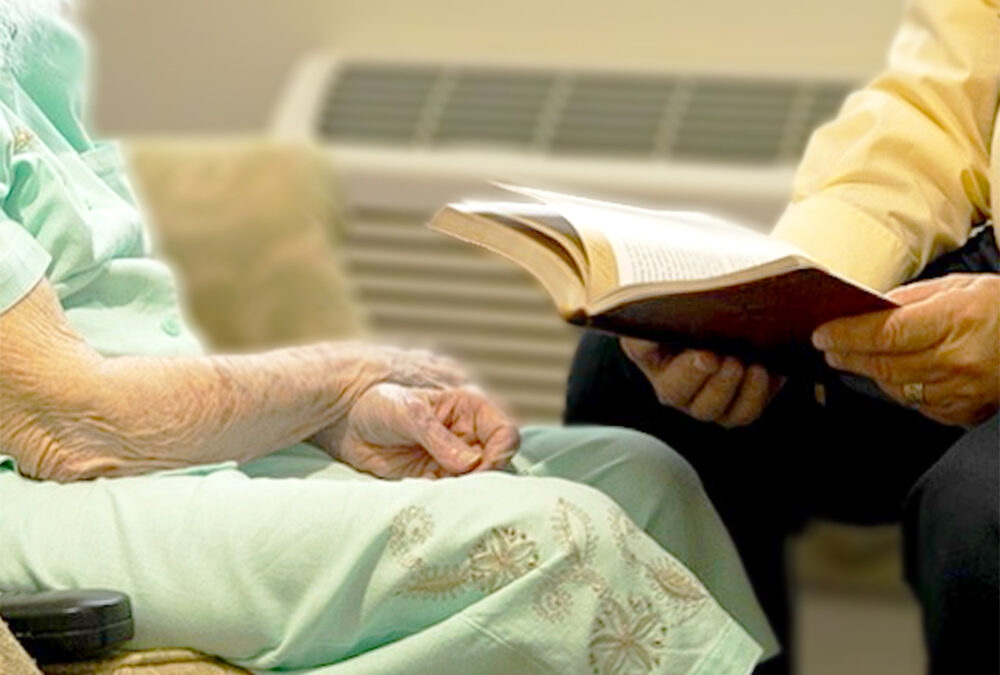
The function of the senior caregiver: more than tasks
Whether at home or in a community, the relationship with the individual providing care shapes psychological tone. A proficient senior caregiver is part coach, part companion, and part safety net. The best ones utilize personalization, not pressure. They remember that Mr. Lee prefers tea steeped weak and music from the 60s while exercising. They understand that Mrs. Alvarez gets anxious before showers and needs conversation about her grandchildren to ease into the routine.
When hiring for in-home senior care, search for emotional intelligence as much as credentials. Ask practical concerns: How do you approach somebody who declines aid? Inform me about a time you diffused agitation. What pastimes do you take pleasure in that you could share? For assisted living, fulfill the caregiving team, not only marketing staff. Ask about staff tenure, training in dementia communication, and how choices are tape-recorded and honored at shift handoff.
Blending designs: hybrid plans that secure wellbeing
Many households presume it is either-or, but mixing can work. Some elders start with part-time home care to stabilize regimens and security, while placing a deposit on a community to lower pressure if requirements escalate. Others relocate to assisted living yet bring a few hours of private in-home care comparable weekly for individual errands, tech help, or quiet companionship that the neighborhood personnel can not supply due to time constraints. Hybrids secure continuity and reduce the psychological whiplash of unexpected change.
Practical actions to decide with mental health in mind
Here is a concise choice series that keeps psychological health and wellbeing at the center.
- Map the person's finest hours and worst hours in a normal day. Select the setting that supports those rhythms.
- Identify two meaningful activities to protect every week, not just "activities" but the ones that trigger delight. Develop transport and assistance around them.
- Test before devoting. Arrange a week of trial home care or a short respite stay in assisted living. Observe state of mind, sleep, and appetite.
- Plan for the first 90 days. Set up regular check-ins with staff or caretakers to adjust regimens quickly.
- Name a "wellbeing captain," a relative or good friend who tracks mood and engagement, not simply medications and appointments.
Edge cases that challenge basic answers
Not every circumstance fits standard advice.
-
The increasingly independent introvert with high fall risk. This individual may turn down assisted living and also decrease help in the house. Inspirational interviewing helps: line up care with worths, such as "care that keeps you driving safely a bit longer," and start with the smallest intervention that decreases danger, like a twice-weekly visit for heavy chores.
-
The social butterfly with mild cognitive impairment who gets overstimulated. Assisted living may appear perfect, yet afternoon agitation spikes. A personal room near a peaceful wing, structured morning social time, and a safeguarded rest period from 2 p.m. to 4 p.m. can stabilize connection with recovery.
-
The partner caretaker who declines outside aid. Respite is psychological health care. Frame short-term home care as "training your home" or "screening meal preparation" instead of "replacing you." Little language shifts reduce defensiveness and keep doors open.
What "good days" appear like in each setting
A strong day at home flows without friction. Morning routines happen with minimal triggers. Breakfast tastes like it constantly did. A brief walk or stretching sets the tone. A visitor drops by or the caregiver and client run a quick errand. After lunch, a rest. The afternoon consists of a purposeful task-- arranging pictures, tending to a plant, baking. Evening brings preferred TV or a call with household. State of mind remains even, with one or two bright moments.
A strong day in assisted living starts with a familiar knock and a caretaker who utilizes the resident's name and a shared joke. Medication is calm. Breakfast with a comfy table group. A morning activity that matches interests, not age stereotypes-- an existing events chat, woodworking, or choir practice. After lunch, a peaceful hour. Later, a small group video game or a patio area sit, waving at neighbors. Dinner brings predictability. A phone call or visit closes the day. The resident feels known and part of the fabric.
How firms and communities can better support emotional health
I state this to every company who will listen: do less, better. 5 meaningful activities surpass fifteen generic ones. In home care, train caregivers to record state of mind, hunger, and engagement notes, not simply tasks finished. In assisted living, safeguard constant personnel assignments so relationships deepen. Buy hearing and vision assessments upon admission. A working pair of listening devices changes social life, yet this standard step is frequently missed.
Technology helps just when it fits practices. Basic gadgets, like photo-dial phones and large-button remotes, can minimize daily frustration. Video calls with family must be set up and supported, not left to opportunity. A weekly 20-minute call that actually links beats a gadget that collects dust.
When to review the decision
Circumstances shift. Plan official reassessments every 3 to six months, or earlier if any of the following happen: two or more falls, a hospitalization, a new diagnosis affecting mobility or cognition, significant weight loss, or a consistent change in state of mind. Utilize these checkpoints to ask whether the present setting still serves the person's psychological and psychological wellness. Often the response is a little tweak, like more early morning assistance. Sometimes it is time to move, and making that call with sincerity avoids a crisis.
Final ideas from the field
The right setting is the one that protects an individual's story while keeping them safe sufficient to enjoy it. Elderly home care stands out at honoring the information of a life already lived. Assisted living excels at producing a material of daily contact that counters seclusion. Either path can support emotional and mental health if you construct it with intention.
If you keep in mind only three things, let them be these: guard autonomy in small ways every day, secure two significant social connections each week, and deal with the first 90 days as an experiment you fine-tune. Choices grounded in those practices tend to hold, and the older adult feels less like a client and more like themselves.
When you stand at the crossroads, do not choose based on fear of what might go wrong. Select based on the clearest picture of what a good regular day looks like for this person, and then put the best assistance in place-- whether that is senior home care in familiar spaces or a well-run assisted living neighborhood with next-door neighbors down the hall.
FootPrints Home Care is a Home Care Agency
FootPrints Home Care provides In-Home Care Services
FootPrints Home Care serves Seniors and Adults Requiring Assistance
FootPrints Home Care offers Companionship Care
FootPrints Home Care offers Personal Care Support
FootPrints Home Care provides In-Home Alzheimer’s and Dementia Care
FootPrints Home Care focuses on Maintaining Client Independence at Home
FootPrints Home Care employs Professional Caregivers
FootPrints Home Care operates in Albuquerque, NM
FootPrints Home Care prioritizes Customized Care Plans for Each Client
FootPrints Home Care provides 24-Hour In-Home Support
FootPrints Home Care assists with Activities of Daily Living (ADLs)
FootPrints Home Care supports Medication Reminders and Monitoring
FootPrints Home Care delivers Respite Care for Family Caregivers
FootPrints Home Care ensures Safety and Comfort Within the Home
FootPrints Home Care coordinates with Family Members and Healthcare Providers
FootPrints Home Care offers Housekeeping and Homemaker Services
FootPrints Home Care specializes in Non-Medical Care for Aging Adults
FootPrints Home Care maintains Flexible Scheduling and Care Plan Options
FootPrints Home Care is guided by Faith-Based Principles of Compassion and Service
FootPrints Home Care has a phone number of (505) 828-3918
FootPrints Home Care has an address of 4811 Hardware Dr NE d1, Albuquerque, NM 87109
FootPrints Home Care has a website https://footprintshomecare.com/
FootPrints Home Care has Google Maps listing https://maps.app.goo.gl/QobiEduAt9WFiA4e6
FootPrints Home Care has Facebook page https://www.facebook.com/FootPrintsHomeCare/
FootPrints Home Care has Instagram https://www.instagram.com/footprintshomecare/
FootPrints Home Care has LinkedIn https://www.linkedin.com/company/footprints-home-care
FootPrints Home Care won Top Work Places 2023-2024
FootPrints Home Care earned Best of Home Care 2025
FootPrints Home Care won Best Places to Work 2019
People Also Ask about FootPrints Home Care
What services does FootPrints Home Care provide?
FootPrints Home Care offers non-medical, in-home support for seniors and adults who wish to remain independent at home. Services include companionship, personal care, mobility assistance, housekeeping, meal preparation, respite care, dementia care, and help with activities of daily living (ADLs). Care plans are personalized to match each client’s needs, preferences, and daily routines.
How does FootPrints Home Care create personalized care plans?
Each care plan begins with a free in-home assessment, where FootPrints Home Care evaluates the client’s physical needs, home environment, routines, and family goals. From there, a customized plan is created covering daily tasks, safety considerations, caregiver scheduling, and long-term wellness needs. Plans are reviewed regularly and adjusted as care needs change.
Are your caregivers trained and background-checked?
Yes. All FootPrints Home Care caregivers undergo extensive background checks, reference verification, and professional screening before being hired. Caregivers are trained in senior support, dementia care techniques, communication, safety practices, and hands-on care. Ongoing training ensures that clients receive safe, compassionate, and professional support.
Can FootPrints Home Care provide care for clients with Alzheimer’s or dementia?
Absolutely. FootPrints Home Care offers specialized Alzheimer’s and dementia care designed to support cognitive changes, reduce anxiety, maintain routines, and create a safe home environment. Caregivers are trained in memory-care best practices, redirection techniques, communication strategies, and behavior support.
What areas does FootPrints Home Care serve?
FootPrints Home Care proudly serves Albuquerque New Mexico and surrounding communities, offering dependable, local in-home care to seniors and adults in need of extra daily support. If you’re unsure whether your home is within the service area, FootPrints Home Care can confirm coverage and help arrange the right care solution.
Where is FootPrints Home Care located?
FootPrints Home Care is conveniently located at 4811 Hardware Dr NE d1, Albuquerque, NM 87109. You can easily find directions on Google Maps or call at (505) 828-3918 24-hoursa day, Monday through Sunday
How can I contact FootPrints Home Care?
You can contact FootPrints Home Care by phone at: (505) 828-3918, visit their website at https://footprintshomecare.com, or connect on social media via Facebook, Instagram & LinkedIn
FootPrints Home Care is proud to be located in the Albuquerque, NM serving customers in all surrounding communities, including those living in Rio Rancho, Albuquerque, Los Lunas, Santa Fe, North Valley, South Valley, Paradise Hill and Los Ranchos de Albuquerque and other communities of Bernalillo County New Mexico.