Home Care for Elderly vs Assisted Living: Which Fits Your Loved One Best?
Business Name: FootPrints Home Care
Address: 4811 Hardware Dr NE d1, Albuquerque, NM 87109
Phone: (505) 828-3918
FootPrints Home Care
FootPrints Home Care offers in-home senior care including assistance with activities of daily living, meal preparation and light housekeeping, companion care and more. We offer a no-charge in-home assessment to design care for the client to age in place. FootPrints offers senior home care in the greater Albuquerque region as well as the Santa Fe/Los Alamos area.
4811 Hardware Dr NE d1, Albuquerque, NM 87109
Business Hours
Families seldom start comparing alternatives like home care and assisted living on a clear day with a lot of free time. More frequently, a little crisis nudges the conversation. A fall in the restroom that rattles everybody. A missed medication that lands Mom in the ER. Or a creeping pattern of forgetfulness that turns costs into a pile of late notices. When you're the adult kid or the partner attempting to make a responsible call, the option feels both personal and high stakes. I have actually sat around lots of cooking area tables with households in that moment. There isn't a one-size answer, but there is a method to make a sound decision that appreciates your loved one's needs, worths, and budget.
This guide walks through the genuine differences in between staying at home with support and moving into an assisted living neighborhood. It discusses expenses in plain terms, explores lifestyle, and exposes the trade-offs that aren't apparent from pamphlets. You'll find a couple of practical tools for assessing your scenario, and stories that show how families bridge the gap in between security and independence.
What "home care" in fact covers
Home care, often called in-home care or elderly home care, brings aid to where your loved one lives now. It can be as light as a senior caregiver who visits two times a week for laundry and meal prep, or as extensive as 24-hour care with turning aides. Agencies use overlapping terms, however the standard foundation correspond throughout most states.
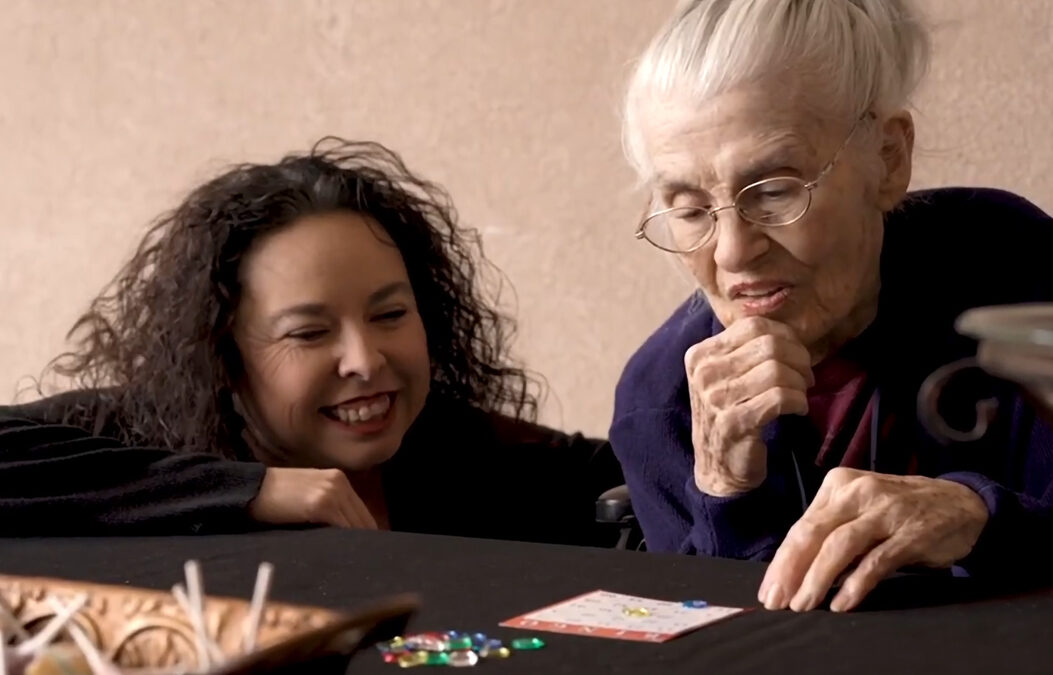
Companion care focuses on social time, light housekeeping, trips to visits, meal preparation, basic reminders, and check-ins. Consider it as the scaffolding that keeps day-to-day routines stable. For many older adults, this layer delays the requirement for a bigger move by years.
Personal care enter hands-on support, such as bathing, dressing, grooming, toileting, and safe transfers. It takes training and tact to do this well. A seasoned senior caregiver knows how to maintain self-respect, rate the morning routine, and avoid falls by setting up the environment correctly.
Medication support ranges from spoken tips to prefilled pill organizers to nurse gos to that handle complicated programs or injections. In the majority of states, caretakers can not "administer" medications unless accredited, but they can cue, observe, and report. When routines get complicated, a nurse can oversee management while aides manage the rest.
Respite care provides family caretakers a break. It can be a single weekend, a few hours two times a week, or a scheduled week so you can take a trip without worrying. Families undervalue how much a reputable respite schedule protects everyone's health.
Skilled home health is a various benefit, typically covered by Medicare for short-term needs after surgical treatment or a hospitalization. Nurses, physiotherapists, and occupational therapists come to the home for medical care and rehabilitation. This service is time-limited, while senior home care is ongoing and personal pay.
The beauty of at home senior care lies in its versatility. You can dial hours up throughout a healing stretch, then taper back to an upkeep level. You can integrate it with adult day programs to include structure and social time. And you can focus support precisely where it counts, like morning showers and evening meal preparation, while leaving afternoons totally free for privacy.
What assisted living actually provides
Assisted living sits in between independent senior real estate and nursing homes. Residents live in private apartments, generally studios or one-bedrooms, and the community offers meals, housekeeping, social activities, transportation, and 24-hour staff for assistance. The objective is to support independence while ensuring assistance is constantly available.
The model works best when somebody requires foreseeable help with elder care albuquerque nm a couple of activities of daily living, worths social connection, and is comfy trading some personal privacy for a structured setting. Many assisted living communities tier their pricing by "level of care." Level 1 might consist of light suggestions and weekly help with showers, while higher levels cover everyday personal care, transfer help, and more regular checks. There is typically a base lease for the house, then a care strategy fee layered on top.
Memory care is the sister program for residents living with dementia who require a safe environment and a personnel trained in communication, redirection, and meaningful activity. Not all assisted living schools do memory care well. The best ones offer little, sensory-friendly areas and staff-to-resident ratios that support calm regimens. If dementia is in the picture, spend time on this distinction.
An essential expectation: assisted living is not a medical center. A nurse may be on-site for 8 to 16 hours a day, with on-call coverage during the night. Locals who require two-person transfers, constant oxygen monitoring, or complex injury care may be informed to generate personal responsibility caretakers or shift to a greater level of care.
Safety, self-reliance, and the genuine day-to-day rhythm
A health and safety lens can oversimplify the choice. Yes, avoiding falls matters. So does medication adherence. However when I see strategies fail, it's typically since the everyday rhythm doesn't fit the person.
At home, routines have muscle memory. Your father might drink coffee on the deck at dawn, listen to the weather condition, and check out the sports area before he says two words. A caretaker who respects that pattern can blend in and keep him on track. He might accept more aid in your home because it seems like support, not alter. That stated, the home itself requires to be safe. A split-level with steep stairs and narrow entrances can turn individual care into a wrestling match. In some cases modest home adjustments, like grab bars, a comfort-height toilet, better lighting, and a shower bench, change the situation.
In assisted living, the structure comes built-in. Meals are at set times, medications provided on a schedule, activities published on a calendar. For some, that rhythm is liberating. The day has shape, people understand their name, housekeeping appears without being asked, and the dining room becomes the social heart. For others, the loss of control grates. If your loved one is private, shy, or values spontaneous options, test the fit by checking out throughout a normal weekday and sticking around. Watch who participates. Listen to the background sound. Ask if homeowners can consume in their home without penalty.
Anecdotally, I have actually enjoyed a retired teacher, widowed and lonely, flower in assisted living within 3 months. She led a book club, walked the halls with a brand-new friend after dinner, and stopped avoiding meals. I have actually also supported a previous engineer who attempted two communities and lasted four weeks in each before returning home with a focused home care service, plus physical treatment and a dog walker. He slept better in your home, which made everything else work.
Cost, without the wishful thinking
Cost contrasts get slippery since line products conceal in various locations. With in-home care, you pay by the hour for caretakers, plus whatever you currently spend to run a family. With assisted living, you pay a bundled regular monthly cost. Individuals frequently forget to consist of taxes, maintenance, food, transportation, and the genuine number of home care hours needed.

As of recent market ranges in many U.S. regions, non-medical home care from a trustworthy agency runs around 28 to 40 dollars per hour. Rural areas might be lower, high-cost metro locations higher. If your loved one needs 8 hours a day, 7 days a week, you remain in the range of 6,300 to 9,800 dollars monthly. Overnight care is frequently billed at a flat rate if the caregiver can sleep, or hourly if they need to remain awake. Twenty-four hour protection, with two or three turning caretakers, can go beyond 16,000 monthly. On the other hand, if you just need 12 to 18 hours a week to cover showers, shopping, and house cleaning, the mathematics can land under 3,000 per month.
Assisted living base rates vary extensively. A studio in a mid-market neighborhood might begin around 3,500 to 5,500 dollars per month. Include care levels, and the costs can rise to 6,000 to 8,500 dollars. Memory care frequently runs 6,500 to 9,500 dollars or more. Cities with high realty costs and tight labor markets sit at the top of these varieties. Entry costs are unusual in assisted living, but neighborhood costs for move-in are common.
Hidden expenses exist in both directions. In the house, ongoing expenditures consist of utilities, property taxes, yard care, repairs, groceries, materials, and transport. In assisted living, extras might include cable, visitor meals, salon services, incontinence products, medication packaging, or fees for escort to meals. Request for a sample regular monthly statement from a normal resident with similar needs.
Funding alternatives can soften the load. Long-term care insurance may reimburse either home care services or assisted living costs, however policies vary in elimination durations, day-to-day optimums, and required documentation. Veterans and enduring partners must explore Aid and Attendance advantages. Medicaid can cover individual care at home in lots of states and can likewise fund assisted living in restricted slots. Medicare does not spend for long-lasting custodial care, in the house or in a facility, though it covers experienced home health and short rehabilitation stays.
Health needs that tip the scale
Some conditions adapt neatly to home care. Others are better served in a well-run community. The secret is to match the care environment to the scientific and behavioral realities.
Dementia requires not just safety however also a prepare for structured engagement and caretaker stamina. Early to mid-stage dementia typically succeeds at home with consistent routines, visual hints, and a small group of familiar caretakers. As the illness progresses, caretakers might require two-person support for transfers, consistent cueing for toileting, and high tolerance for repetitive questions or nighttime wandering. Memory care units are created for exactly these patterns. The decision point typically comes when nighttime sleep deteriorates or habits intensify, and a single family household can not maintain 24-hour supervision without burning out.
Mobility restrictions can go in any case. If your home can accommodate a walker or wheelchair, and safe transfers are feasible with one caretaker, in-home care fits. If your loved one needs mechanical lifts or two people for every single transfer, many assisted living neighborhoods will have a hard time unless you include personal task aides, which raises costs.
Medical complexity matters. If your loved one handles steady persistent conditions like high blood pressure, diabetes on oral medications, and osteoarthritis, either setting works. If they require frequent nursing interventions, oxygen titration, complex injury care, or are medically unstable, you might be looking at a proficient nursing center or a hybrid strategy with home health nurses and strong family oversight.
Behavioral health is the quiet determinant. Untreated depression, anxiety, alcohol misuse, or hoarding can make both settings hard. Communities may discharge locals who are hazardous or disruptive. In your home, caretakers can't fix what a good clinician needs to attend to. Make mental health part of the evaluation, not an afterthought.
Lifestyle, personal privacy, and relationships
It's impossible to overemphasize the worth of familiar environments. The brain maps home through countless micro-choices. Where the preferred mug lives. The noise the back door makes. The way light falls in the den at 4 p.m. Home care maintains this map. For some older grownups, that continuity keeps them oriented and calm.
Assisted living replaces familiarity with benefit and community. Succeeded, it offers the energy of a little community. Hairdresser on Tuesdays, egg salad that tastes like egg salad, a bridge table that requires a fourth, and staff who notice when you skip lunch. If loneliness is a quiet threat, assisted living often solves it in a week.
Family dynamics matter. If you are the main caretaker, your availability forms the decision. A son who can stop by daily for an hour plus a trustworthy home care service can hold a strategy together for many years. A partner who is frail or a daughter who lives two states away may lean on assisted living to provide the daily oversight they can not. Neither choice is failure. It is logistics aligned with love.
Pets are worthy of a mention. Lots of assisted living neighborhoods allow lap dogs or cats, but rules differ, and walking a pet ends up being harder with movement modifications. In your home, a pet can be a lifeline for function. Take a look at the complete photo before deciding.
Predictable pitfalls and how to avoid them
The very first risk is undervaluing required hours. Households often start with the minimum, like three early mornings a week of in-home care, because it feels less intrusive. That can work for a season, however if showers develop into hour-long events or wandering starts at night, you require to include hours rapidly. Develop a cushion into your strategy so you can increase assistance without scrambling.
The second is overlooking caregiver connection. With senior home care, turnover happens. Agencies with strong scheduling teams, training programs, and a culture of appreciation keep excellent caretakers. Ask straight about continuity rates. A revolving door makes sensitive care, such as bathing or dementia assistance, harder on everyone.
Third, moving late. If assisted living is most likely within 6 to 12 months, moving while your loved one can still adjust pays dividends. Locals who discover the building, recognize staff, and form a number of friendships early have better outcomes. Awaiting the next crisis typically leads to a hard adjustment.
Fourth, falling for facilities over care quality. A theater space is good. Empathy is non-negotiable. See staff-resident interactions. Do call bells get answered? Does the medication nurse understand residents beyond their chart? Do housemaids greet individuals by name? Your senses will inform you more than the brochure.
A practical way to compare your options
Use this short workout to translate concern into a plan. It is not about excellence, just clarity.
-
Map the daily peaks. Write down the hours of the day that are most tough. Early morning shower and dressing? Late afternoon sundowning? Nighttime restroom trips? Match support to these peaks initially, whether at home or in a community.
-
Clarify the must-haves. Recognize 3 non-negotiables that define lifestyle for your loved one. It might be oversleeping up until 9, staying with a feline, attending church, or keeping a garden. Utilize these to check fit. If assisted living can honor them, it's a great indication. If home care can incorporate them without stress, even better.
-
Pressure-test the budget plan. For home care, rate out 2 scenarios: a base plan and a surge plan for health problem or respite, then include household costs. For assisted living, cost base rent, likely care level, and common extras. If both courses are possible, you have flexibility. If only one is sustainable, name it and plan within it.
Blended plans that operate in the genuine world
The choice is not always either-or. Lots of families use mixed approaches.
One pattern: begin with home care service three early mornings weekly for bathing, light housekeeping, and a healthy lunch in the refrigerator. Add an adult day program 2 days a week to improve social time and offer the household caretaker a break. If amnesia advances, shift to assisted living or memory care with a private task caregiver visiting twice a week for an hour to manage customized tasks like hair washing, which your loved one discovers simpler with a familiar face.
Another: transfer to assisted living for social assistance and meals, however keep home take care of specific individual care tasks that the community can not cover within its staffing design, like twice-weekly showers or individually mealtime assistance. The combined expense can be less than complete 24-hour home care and offers a safety net.
A 3rd: seasonal strategies. Live at home with at home senior care most of the year, then organize a short-term respite stay in assisted living throughout a caretaker's surgical treatment or a household trip. Some communities provide supplied respite apartments for 2 to 6 weeks.
What a comprehensive evaluation looks like
If you welcome a credible firm for senior home care into your home, expect a nurse or care supervisor to ask targeted questions and view thoroughly. They will take a look at your loved one's gait, balance, and transfer techniques. They will measure entrances, eyeball stair height, and inspect shower safety. They will ask about bladder patterns, appetite, sleep, and mood, then listen for the unspoken parts like frustration, worry, or embarrassment. If a firm avoids this and jumps straight to offering hours, keep interviewing.
When touring assisted living, visit twice, preferably when unannounced throughout a weekday afternoon. Eat a meal. Ask to see the tiniest home and the biggest, even if you think you understand. Ask how they manage a resident who refuses a shower for three days, or who roams at 3 a.m. Excellent groups answer with specific processes, not unclear assurances. Observe activity rooms without a guide. Are citizens engaged or do they look parked?
Caregiver capability and sustainability
Families often make heroic promises. The desire to keep your loved one home is reasonable. The concern is whether your body, job, marital relationship, and financial resources can sustain the strategy. I've seen main caregivers wind up hospitalized from fatigue, then feel guilty for getting ill. Do not wait for a collapse to test your plan.
Write down what you personally can do weekly and for for how long. Maybe you can handle meals and medication setup, but bathing triggers conflict. Perhaps you can manage nights, but mornings are impossible due to the fact that of work. Align home care shifts to your limitations. If the equation still feels fragile, assisted living might be the sustainable answer, with you going back to the role of supporter and son or daughter, not 24-hour attendant.
Signs it is time to pivot
There are trustworthy signals that your existing plan is no longer safe or humane. Several falls within a month signal a change in balance, medications, or environment. Considerable weight reduction or dehydration indicates insufficient meal intake or unrecognized swallowing concerns. New incontinence without a medical cause typically accompanies cognitive modification and increases skin breakdown danger. Nighttime roaming that defeats alarms and locks increases threat. Caretaker burnout shows up as irritability, sleep loss, isolation, and health problems. If you are seeing numerous of these together, it is time to reassess with your medical professional and care group, and to revisit assisted living or a greater level of in-home care.
How to discuss the choice without a fight
Older adults withstand modification for great factors. The trick is to anchor the conversation in values, not fear. Instead of "You can't live alone anymore," attempt "I want you to keep deciding how your day goes. To do that securely, we require a little bit of help with showers." Instead of "We're moving you," say "Let's tour 2 places so you can tell me what you like and don't like. If neither fits, we'll develop more support in the house."
Bring your loved one into choices that matter. Which caregiver personality clicks for them? Early morning or afternoon showers? A garden-view apartment or one near to the dining-room? People accept modification when they retain company in the parts they care about.
Red flags when picking a company or community
Due diligence prevents heartache. With agencies, be wary of low rates far listed below local averages, lack of licensing where needed, no criminal background checks, or unclear responses about training and guidance. Ask how they handle a no-show for a shift at 7 a.m. You want a clear plan within the hour.

With assisted living, red flags consist of frequent management turnover, personnel who appear hurried or disengaged, odors that continue corridors, and citizens parked in wheelchairs dealing with tvs for long stretches. Inquire about state survey outcomes and how they attended to shortages. Openness is an excellent sign.
Building a plan you can live with
Your choice is not a verdict on love. It is a care plan for a specific individual at a particular time. Home care shines when regular, familiarity, and targeted support hold the day together, and when the home environment can be ensured. Assisted living shines when social structures, foreseeable care, and 24-hour accessibility matter most, and when family logistics require reliable coverage.
Whichever course you pick, build in review points. Set up a 60-day check after any change. Invite feedback from caregivers, nurses, and your loved one. Adjust as needed. Excellent senior care is less a location than a series of thoughtful recalibrations.
And offer yourself authorization to change your mind. If the very first agency does not deliver, try another. If the very first assisted living neighborhood feels wrong after a month, talk with the director about particular problems and request a plan, or examine a various neighborhood. The objective remains constant: a life that is as safe, dignified, and linked as possible.
If you are starting from scratch, begin little. Set up a two-hour at home visit for bathing and lunch, then see how your loved one reacts. Tour 2 assisted living communities and eat a meal in each. Rate both choices with practical numbers. Then pick the course that gets you a peaceful night's sleep, not due to the fact that you stopped caring, but since you built care that holds.
FootPrints Home Care is a Home Care Agency
FootPrints Home Care provides In-Home Care Services
FootPrints Home Care serves Seniors and Adults Requiring Assistance
FootPrints Home Care offers Companionship Care
FootPrints Home Care offers Personal Care Support
FootPrints Home Care provides In-Home Alzheimer’s and Dementia Care
FootPrints Home Care focuses on Maintaining Client Independence at Home
FootPrints Home Care employs Professional Caregivers
FootPrints Home Care operates in Albuquerque, NM
FootPrints Home Care prioritizes Customized Care Plans for Each Client
FootPrints Home Care provides 24-Hour In-Home Support
FootPrints Home Care assists with Activities of Daily Living (ADLs)
FootPrints Home Care supports Medication Reminders and Monitoring
FootPrints Home Care delivers Respite Care for Family Caregivers
FootPrints Home Care ensures Safety and Comfort Within the Home
FootPrints Home Care coordinates with Family Members and Healthcare Providers
FootPrints Home Care offers Housekeeping and Homemaker Services
FootPrints Home Care specializes in Non-Medical Care for Aging Adults
FootPrints Home Care maintains Flexible Scheduling and Care Plan Options
FootPrints Home Care is guided by Faith-Based Principles of Compassion and Service
FootPrints Home Care has a phone number of (505) 828-3918
FootPrints Home Care has an address of 4811 Hardware Dr NE d1, Albuquerque, NM 87109
FootPrints Home Care has a website https://footprintshomecare.com/
FootPrints Home Care has Google Maps listing https://maps.app.goo.gl/QobiEduAt9WFiA4e6
FootPrints Home Care has Facebook page https://www.facebook.com/FootPrintsHomeCare/
FootPrints Home Care has Instagram https://www.instagram.com/footprintshomecare/
FootPrints Home Care has LinkedIn https://www.linkedin.com/company/footprints-home-care
FootPrints Home Care won Top Work Places 2023-2024
FootPrints Home Care earned Best of Home Care 2025
FootPrints Home Care won Best Places to Work 2019
People Also Ask about FootPrints Home Care
What services does FootPrints Home Care provide?
FootPrints Home Care offers non-medical, in-home support for seniors and adults who wish to remain independent at home. Services include companionship, personal care, mobility assistance, housekeeping, meal preparation, respite care, dementia care, and help with activities of daily living (ADLs). Care plans are personalized to match each client’s needs, preferences, and daily routines.
How does FootPrints Home Care create personalized care plans?
Each care plan begins with a free in-home assessment, where FootPrints Home Care evaluates the client’s physical needs, home environment, routines, and family goals. From there, a customized plan is created covering daily tasks, safety considerations, caregiver scheduling, and long-term wellness needs. Plans are reviewed regularly and adjusted as care needs change.
Are your caregivers trained and background-checked?
Yes. All FootPrints Home Care caregivers undergo extensive background checks, reference verification, and professional screening before being hired. Caregivers are trained in senior support, dementia care techniques, communication, safety practices, and hands-on care. Ongoing training ensures that clients receive safe, compassionate, and professional support.
Can FootPrints Home Care provide care for clients with Alzheimer’s or dementia?
Absolutely. FootPrints Home Care offers specialized Alzheimer’s and dementia care designed to support cognitive changes, reduce anxiety, maintain routines, and create a safe home environment. Caregivers are trained in memory-care best practices, redirection techniques, communication strategies, and behavior support.
What areas does FootPrints Home Care serve?
FootPrints Home Care proudly serves Albuquerque New Mexico and surrounding communities, offering dependable, local in-home care to seniors and adults in need of extra daily support. If you’re unsure whether your home is within the service area, FootPrints Home Care can confirm coverage and help arrange the right care solution.
Where is FootPrints Home Care located?
FootPrints Home Care is conveniently located at 4811 Hardware Dr NE d1, Albuquerque, NM 87109. You can easily find directions on Google Maps or call at (505) 828-3918 24-hoursa day, Monday through Sunday
How can I contact FootPrints Home Care?
You can contact FootPrints Home Care by phone at: (505) 828-3918, visit their website at https://footprintshomecare.com, or connect on social media via Facebook, Instagram & LinkedIn
A visit to the ABQ BioPark Botanic Garden offers a peaceful, gentle outing full of nature and fresh air — ideal for older adults and seniors under home care.