Why Companion Care Is a Core Part of Efficient In-Home Senior Care
Business Name: FootPrints Home Care
Address: 4811 Hardware Dr NE d1, Albuquerque, NM 87109
Phone: (505) 828-3918
FootPrints Home Care
FootPrints Home Care offers in-home senior care including assistance with activities of daily living, meal preparation and light housekeeping, companion care and more. We offer a no-charge in-home assessment to design care for the client to age in place. FootPrints offers senior home care in the greater Albuquerque region as well as the Santa Fe/Los Alamos area.
4811 Hardware Dr NE d1, Albuquerque, NM 87109
Business Hours
Families usually start trying to find at home senior care after a concrete occasion: a fall, a new medical diagnosis, a neighbor contacting us to say Mom wandered outdoors during the night. The very first impulse is typically to focus on safety and physical assistance. Who will deal with showers, medications, and meals? Can someone drive to appointments?
Those are essential questions, but they neglect the quiet gap that often matters most to quality of life: companionship.
In more than a years of working with senior home care groups and families, I have seldom seen an effective long term care plan that did not consist of deliberate buddy care. Whether the family is managing most of the hands-on aid themselves or dealing with a professional caregiver, the social and psychological layer is where a great deal of results are won or lost.
This is not a soft, "nice to have" additional. Companionship impacts mood, appetite, movement, even healthcare facility readmission rates. When it is missing, treatment needs to work much harder. When it exists, practically whatever else gets easier.
What companion care really suggests in genuine homes
People hear "buddy care" and image somebody talking at the kitchen area table. Conversation belongs to it, however the genuine work goes deeper.
Companion care normally includes a mix of the following, wrapped in constant relationship:
- Friendly existence and conversation, including active listening to stories, concerns, and day-to-day updates
- Shared activities, such as strolls, easy video games, light gardening, or cooking together
- Gentle prompting around routines, like meals, hydration, and personal hygiene, without doing every job for the person
- Accompaniment to appointments, social getaways, or spiritual services, not simply as a motorist however as a social bridge
- Observation and reporting, noticing subtle changes in mood, memory, movement, or practices and notifying household or nurses
Companion caregivers might not perform experienced nursing tasks, but they sit at the crossroads where physical health, psychological wellbeing, and daily life intersect. They see what takes place in between medical professional visits, in the regular hours when most problems start small.
In useful terms, companion care can be part of a broader in-home care plan where other caretakers handle bathing, transfers, and intricate medical needs, or it can be the primary support for a fairly independent senior who simply must not be investing ten hours a day alone.
Why loneliness is a medical problem, not simply a mood
If you have actually ever checked out a parent at 3 in the afternoon and recognized they have actually not talked to another person since breakfast, you understand how rapidly seclusion can creep in.
Research over the past years has actually connected chronic solitude in older adults to increased dangers of anxiety, anxiety, cognitive decline, and even cardiovascular issues. Some large studies have actually compared the health impact of extreme social seclusion to smoking a substantial variety of cigarettes a day. The exact numbers differ from research study to study, however the pattern is clear: social disconnection is not harmless.
You see it clinically and casually. A father who as soon as loved cooking stops troubling with real meals and starts surviving on crackers and canned soup. A mother who utilized to check out the paper everyday lets it pile up, unopened, due to the fact that talking about the headings was half the enjoyment. With time, missed out on meals cause weight loss, dehydration, and weak point. Weak point leads to falls. Falls lead to rehab stays and hospital bills.
When a buddy caregiver visits three afternoons a week for senior home care, those same seniors typically start to eat more, move more, and re-engage with the world, not since someone "scolded" them, but due to the fact that life feels more worth the effort. A sandwich and a walk around the block make more sense when there is somebody to share them with.
The link between mood and physical health is so strong that I now think about buddy care a form of preventive elder care, comparable in importance to safe flooring or medication management.
How buddy care strengthens the entire in-home care plan
Families frequently separate "task care" from "social care" in their minds. One is framed as necessary elder care, the other as optional. In practice, they are intertwined.
Consider 3 locations where I see companion care straight amplify the impact of other services.
Medication adherence and routine
Nurses and doctors can buy the best medications, and tablet organizers can keep doses arranged, but if a senior forgets to eat breakfast or loses track of time, doses still get avoided. A companion caregiver who comes dependably on certain early mornings or nights can stabilize that routine.
They might not hand over the tablet bottle, depending upon the agency's policies and the state's policies, however they can:
Talk through the schedule so it feels less confusing. Help prepare a snack or meal that pairs with the dosage. Notification patterns, such as "On the days you do not see anyone, you forget the midday dosage."
Families trying to collaborate home take care of parents from another city often underestimate just how much merely having another grownup in the home at predictable times anchors these routines.
Mobility and fall prevention
A physiotherapist can design exercises to keep strength and balance. If no one motivates or monitors them, however, they typically disappear. Numerous older adults are reluctant to walk alone after a fall, even inside their own homes.
Companion caregivers can walk alongside the individual, keep discussion streaming to distract from fatigue, and frame movement as part of shared time instead of a medical chore. For example, instead of, "Do your exercises now," it becomes, "Let us stroll to the mailbox and then water the geraniums."
The outcome is much better adherence to the PT strategy and more confidence moving the house, which directly reduces fall risk.
Early detection of changes
Most severe crises in elder care do not start as emergencies. They get here gradually: a bit more confusion this week, a little swelling in the legs, a brand-new tendency to nap at odd hours.
Family members coming by when a week frequently miss out on the sluggish creep of these changes. Companion caregivers who exist routinely observe when their client unexpectedly deserts a cherished pastime, duplicates the very same question regularly, or begins holding onto furnishings more than typical while walking.
Because they are part of the in-home care team, they can report those observations to the firm, the nurse, or the family. That early flag in some cases sets off a medication check, a brand-new diagnosis, or a timely intervention that prevents a hospitalization.
In this sense, buddy care imitates a delicate early caution system embedded in daily life.
What families truly suggest when they state, "I just want somebody to be with Mom"
When families call a company for in-home care, they typically begin with expressions like:
"I just want someone to be with Mom so she is not alone."
"Dad is all right physically. He simply sits all day. It is bad for him."Behind those words are layers of concern, frequently combined with regret and logistical pressure.
An example from my own experience: A child in her late 50s organized Albuquerque home care for her 84 years of age mother, a retired teacher. The mother's movement was restricted however practical with a walker. The genuine problem was long days alone in a peaceful home after most of her friends either moved away or passed on.
The daughter lived across town, worked full-time, and had grandchildren to help take care of. She checked out on weekends and one weeknight, however the remainder of the time, her mother wandered between the recliner chair and the kitchen area. Meals were sparse. She started calling late at night, distressed and disoriented.
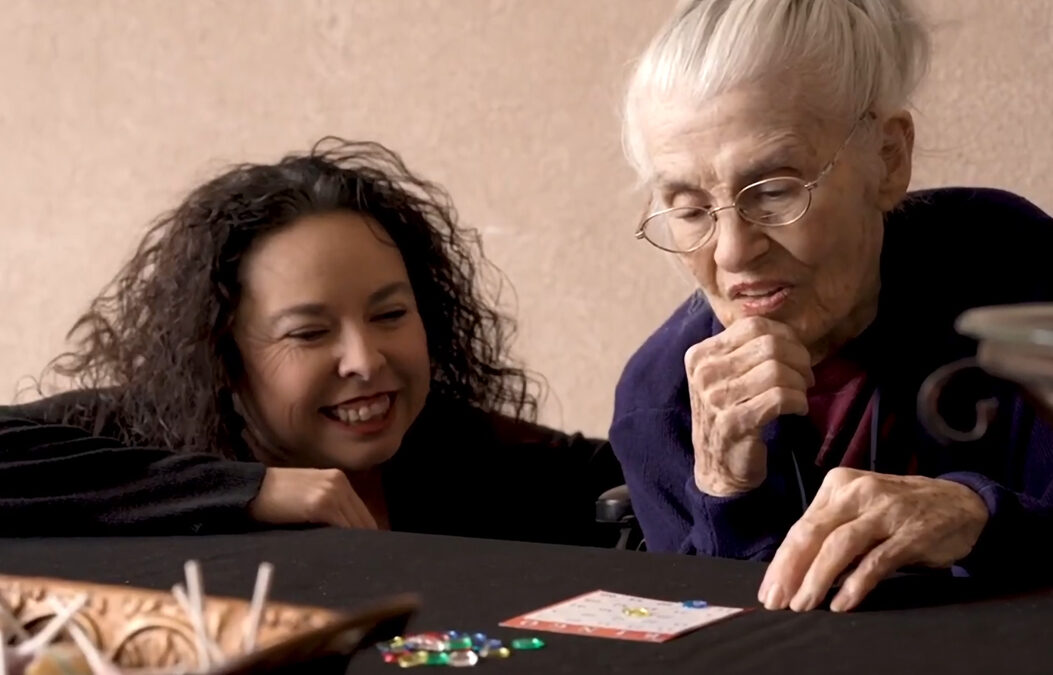
We established an in-home senior care schedule with a companion caretaker three afternoons weekly. They cooked easy lunches together, started a small container garden, and organized old photos into albums. The caregiver also motivated brief strolls inside your house, which constructed strength.
Within a month, the late night calls almost stopped. The mother began dressing in real clothes once again, not just pajamas. Her primary care doctor kept in mind modest however meaningful improvements in blood pressure and weight. No medication was added or altered. The significant intervention was structured, relational time.
What the daughter had requested, at its core, was remedy for the knowledge that her mother spent the majority of her waking hours in silence.
Companion care responses that need.
When is it time to include companion care?
Families frequently wait too long to generate companion care due to the fact that they are watching for physical decrease, not social and emotional stress. By the time obvious physical problems appear, seclusion has usually been present for months or years.
A brief psychological list can assist. Buddy care deserves exploring when you notice at least a few of these consistent patterns:
- The senior invests numerous days a week without face to deal with contact for more than a couple of minutes
- Meals become very little or repeated, such as toast or cereal for the majority of lunches and dinners
- Hobbies that when brought happiness, like gardening, reading, or light crafts, are deserted instead of adapted
- You see more stress and anxiety, irritability, or late night telephone call that stem more from isolation than acute medical concerns
- The house starts to reveal signs of disregard that reflect reduced inspiration, not just physical limitations
It is easier to present a companion caregiver while a person is still reasonably independent and able to engage, rather than waiting up until depression or cognitive modification has actually taken deeper root.

What excellent buddy caretakers actually do, day after day
The finest companion caretakers I have actually worked with share 2 main traits: reliability and curiosity. They appear when they say they will, and they stay really interested in the person in front of them.
Their day may look normal on paper: show up, welcome, inquire about sleep, put on a kettle of tea, open curtains, encourage a shower, repair a snack, assist with a puzzle, get trash, walk to the mailbox, tidy the kitchen area, document the visit. None of these tasks are dramatic.
The skill lies in how they are woven together. A skilled buddy knows when to sit and listen to a familiar story, and when to carefully suggest, "Let us head outside for ten minutes. The sun feels great today." They know how to pace conversation with somebody who has mild dementia, neither remedying every detail nor enhancing confusion.
They track what works for that particular person. One customer might be more cooperative with personal hygiene after watching a morning news section, another after a preferred music playlist. With time, excellent caretakers construct a playbook of what motivates, what upsets, and what lifts mood.
They likewise understand borders. Companion care is relational, but it is not a relationship in the usual sense. The caregiver is trained to maintain professionalism, observe modifications, and communicate with family and supervisors rather than trying to manage whatever alone.
Families sometimes underestimate this level of ability since the most reliable companion care looks like typical life. That is precisely the point. The assistance is invisible enough that self-respect stays intact.
How buddy care supports household caretakers too
Most discussions about in-home senior care focus on the older grownup, however household caretakers carry much of the weight. Children, children, spouses, and even neighbors frequently manage consultations, finances, grocery runs, and emotional support, sometimes on top of full-time jobs and their own children.
Companion care provides households 2 crucial kinds of relief.
First, it provides arranged respite. Knowing that someone trustworthy will be with Dad every Tuesday and Thursday from noon to 5 permits a child to plan his workday, schedule his own medical appointments, or merely rest without continuous worry. That predictability is as crucial as the hours themselves.
Second, it frees household visits to be more relational and less transactional. Rather of spending the whole evening racing through tasks like bathing, meal prep, and laundry, a child can really sit and play cards with her mother or take her out for ice cream, since a few of the regular support has already been managed previously by the companion caregiver.
This shift matters. When family time is always hurried and task heavy, resentment constructs on both sides. When a few of the practical load is shared with expert in-home care, psychological connection has room to breathe.
Integrating companion care into a broader elder care plan
Effective home care seldom works as a single service. Companion care fits best as part of a larger structure that might include home health nursing, physical or occupational therapy, individual care assistants, and routine medical appointments.
The specific mix depends upon the individual's health, mobility, and goals. For instance:
A fairly healthy 78 years of age living alone might benefit from companion visits three times a week concentrated on meals, light exercise, and community engagement, plus occasional transportation help.
An 85 year old with heart disease may have a nurse visit one or two times a week to manage medications and keep track of crucial signs, while a companion caregiver fills the spaces between, tracking weight, fluid consumption, and mood, and informing the nurse to worrying changes.
In a dementia care circumstance, individual care aides might handle bathing and transfers, while buddy caretakers concentrate on structured, relaxing activities and rerouting agitation. The exact same person might play both functions if the agency cross trains staff.
Families planning home care for parents need to believe in layers: safety, health management, elder care and quality of life. Buddy care lives in that third layer but influences the very first 2. An engaged, promoted senior is more likely to abide by medical plans and less most likely to engage in risky habits born from dullness or confusion.
Questions to ask when assessing buddy care services
Whether you are interviewing an agency for Albuquerque home care or working with privately, the information matter. Buddy care is not a generic service; quality varies widely.
When you speak to possible companies, it assists to ask focused, useful questions such as:
- How do you match caregivers and customers in terms of personality, interests, and schedule?
- What training do your companion caregivers get, particularly around dementia, psychological health, and interaction?
- How do caretakers record visits and interact observations or concerns to households?
- What takes place if the routine caregiver is ill or on holiday? How do you handle continuity?
- Can you provide examples of how your buddy care has assisted clients stay at home longer or avoid hospitalizations?
Listen not just to the material of the answers, however to how specific they are. Unclear guarantees without concrete procedures or examples are a red flag.
Balancing self-reliance with support
One common concern amongst older grownups is that accepting any sort of in-home senior care will erode their independence. Buddy care can be a mild way to include assistance without setting off that worry as dramatically as hands-on individual care sometimes does.
When introduced respectfully, buddy care can feel less like "having a caregiver" and more like "having some aid around your house" or "having a chauffeur and assistant for errands." That framing can alleviate pride-related resistance.
The key is to include the senior in choices as much as possible:
Discuss preferred days and times rather than imposing a schedule.
Ask what activities they would take pleasure in with a companion. Present the service as a way to lower concern for everyone, not as a judgment on their abilities.Over time, many initially reluctant elders grow connected to their companion caregivers. I have actually seen people who flatly refused "home care" warmly welcome "Maria who comes on Wednesdays" as part of their regular routine. The service did not alter; the perception did.
From an expert point of view, that is a win. The objective of elder care is not to strip away control, however to support the person in living as completely and safely as possible where they are most comfortable.
Why companion care belongs at the center, not the margins, of home care planning
When households take a seat to plan in-home care, they often start with checklists: medication sets, fall risks, transportation needs, medical visits. Those are needed. Overlooking them would be dangerous.
Yet if you think back on the older adults in your own life who aged well at home, they most likely had something else: regular human connection, a reason to rise, and someone who knew when something was "off" before it became a crisis.
That is what structured companion care attempts to supply, in a consistent and sustainable way.
For some households, specifically those organizing senior home care from another city or balancing complex work schedules, companion care is the anchor that keeps all the other moving parts lined up. For others, it is the bridge that permits an older grownup to remain in the house instead of moving into a facility before they really require that level of care.
Good at home senior care does more than keep individuals safe. It helps them deal with dignity, interest, and connection. Companion care is not a high-end add-on to elder care. It is one of the primary methods we protect both health and humankind in the location most older adults still choose to be: home.

FootPrints Home Care is a Home Care Agency
FootPrints Home Care provides In-Home Care Services
FootPrints Home Care serves Seniors and Adults Requiring Assistance
FootPrints Home Care offers Companionship Care
FootPrints Home Care offers Personal Care Support
FootPrints Home Care provides In-Home Alzheimer’s and Dementia Care
FootPrints Home Care focuses on Maintaining Client Independence at Home
FootPrints Home Care employs Professional Caregivers
FootPrints Home Care operates in Albuquerque, NM
FootPrints Home Care prioritizes Customized Care Plans for Each Client
FootPrints Home Care provides 24-Hour In-Home Support
FootPrints Home Care assists with Activities of Daily Living (ADLs)
FootPrints Home Care supports Medication Reminders and Monitoring
FootPrints Home Care delivers Respite Care for Family Caregivers
FootPrints Home Care ensures Safety and Comfort Within the Home
FootPrints Home Care coordinates with Family Members and Healthcare Providers
FootPrints Home Care offers Housekeeping and Homemaker Services
FootPrints Home Care specializes in Non-Medical Care for Aging Adults
FootPrints Home Care maintains Flexible Scheduling and Care Plan Options
FootPrints Home Care is guided by Faith-Based Principles of Compassion and Service
FootPrints Home Care has a phone number of (505) 828-3918
FootPrints Home Care has an address of 4811 Hardware Dr NE d1, Albuquerque, NM 87109
FootPrints Home Care has a website https://footprintshomecare.com/
FootPrints Home Care has Google Maps listing https://maps.app.goo.gl/QobiEduAt9WFiA4e6
FootPrints Home Care has Facebook page https://www.facebook.com/FootPrintsHomeCare/
FootPrints Home Care has Instagram https://www.instagram.com/footprintshomecare/
FootPrints Home Care has LinkedIn https://www.linkedin.com/company/footprints-home-care
FootPrints Home Care won Top Work Places 2023-2024
FootPrints Home Care earned Best of Home Care 2025
FootPrints Home Care won Best Places to Work 2019
People Also Ask about FootPrints Home Care
What services does FootPrints Home Care provide?
FootPrints Home Care offers non-medical, in-home support for seniors and adults who wish to remain independent at home. Services include companionship, personal care, mobility assistance, housekeeping, meal preparation, respite care, dementia care, and help with activities of daily living (ADLs). Care plans are personalized to match each client’s needs, preferences, and daily routines.
How does FootPrints Home Care create personalized care plans?
Each care plan begins with a free in-home assessment, where FootPrints Home Care evaluates the client’s physical needs, home environment, routines, and family goals. From there, a customized plan is created covering daily tasks, safety considerations, caregiver scheduling, and long-term wellness needs. Plans are reviewed regularly and adjusted as care needs change.
Are your caregivers trained and background-checked?
Yes. All FootPrints Home Care caregivers undergo extensive background checks, reference verification, and professional screening before being hired. Caregivers are trained in senior support, dementia care techniques, communication, safety practices, and hands-on care. Ongoing training ensures that clients receive safe, compassionate, and professional support.
Can FootPrints Home Care provide care for clients with Alzheimer’s or dementia?
Absolutely. FootPrints Home Care offers specialized Alzheimer’s and dementia care designed to support cognitive changes, reduce anxiety, maintain routines, and create a safe home environment. Caregivers are trained in memory-care best practices, redirection techniques, communication strategies, and behavior support.
What areas does FootPrints Home Care serve?
FootPrints Home Care proudly serves Albuquerque New Mexico and surrounding communities, offering dependable, local in-home care to seniors and adults in need of extra daily support. If you’re unsure whether your home is within the service area, FootPrints Home Care can confirm coverage and help arrange the right care solution.
Where is FootPrints Home Care located?
FootPrints Home Care is conveniently located at 4811 Hardware Dr NE d1, Albuquerque, NM 87109. You can easily find directions on Google Maps or call at (505) 828-3918 24-hoursa day, Monday through Sunday
How can I contact FootPrints Home Care?
You can contact FootPrints Home Care by phone at: (505) 828-3918, visit their website at https://footprintshomecare.com, or connect on social media via Facebook, Instagram & LinkedIn
A visit to the ABQ BioPark Botanic Garden offers a peaceful, gentle outing full of nature and fresh air — ideal for older adults and seniors under home care.